TL;DR

- The SteelSeries Arctis Nova Elite was launched on September 30, 2025, as a high-end addition to the Arctis Nova lineup.
- Sporting a price of $599.99 / £599.99 / €649.99, it is widely considered the flagship option of gaming headsets.
- OmniPlay lets you seamlessly mix multiple sources, allowing users to connect and mix up to four sources at once.
- With the inclusion of two hot swappable batteries, you won’t experience any downtime, even during the longest gaming sessions.
- The Arctis Nova Elite delivers hi-res audio wirelessly, and with the inclusion of carbon fibre drivers, the sound feels more crisp than ever.
At some point over the last few years, I stopped looking for the perfect headset and started looking for one that wouldn’t annoy me. That shift didn’t come from lowered standards, but from experience. Too many headsets promise versatility and end up excelling at exactly one thing, while failing everywhere else. Sound that just doesn’t feel all that impressive to begin with. Builds that look solid until the first hinge starts complaining. Comfort that fades halfway through a long workday. Microphones that exist on paper, but not in practice. After enough broken cables, peeling ear pads, and voice recordings that sound like they were captured from inside a metal tin, you start to assume that compromise is simply part of the deal. With the release of the SteelSeries Arctis Nova Elite, I wanted to see if I could be swayed in my opinion.
First wear: Can it live up to the specs?
I won’t pretend I went in blind. The spec sheet alone suggested that SteelSeries was aiming high this time. So when the Arctis Nova Elite finally arrived, I gave it the kind of attention a first impression deserves. Clean desk, fresh coffee, no background noise. And within minutes of putting it on, I realised something felt different. Not in a loud, exaggerated way, but in how quickly everything settled into place.
After years of juggling audio interfaces, unstable wireless connections, and workarounds that never quite felt finished, this headset immediately felt complete. Gaming audio and proper hi-fi sound weren’t competing here, they were simply coexisting. That is rare.
I’ve used more headsets than I can reasonably justify, both privately and professionally. Before interviews, events, and esports deadlines became my routine, I spent years teaching programming, running classes, and living on voice calls. A reliable headset wasn’t optional back then, and it certainly isn’t now. What surprised me here was how little adjustment it took. No mental checklist, no “this is good, but…”. It just clicked.
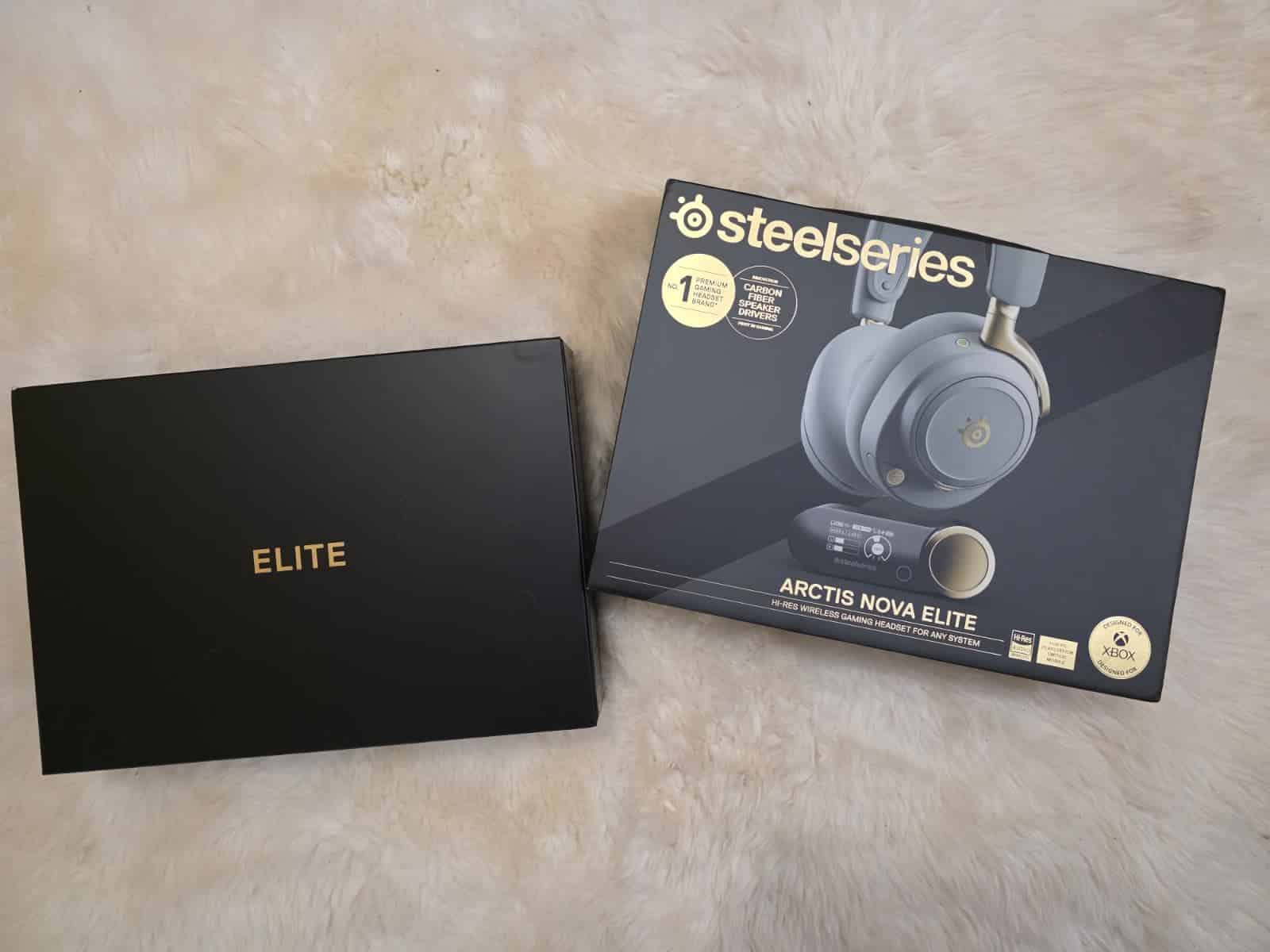
Even the unboxing reflects that mindset. It’s premium, but not performative. The Nova Elite doesn’t try to convince you it’s a gaming product. It presents itself as an audio device first, one that just happens to handle games exceptionally well. And that distinction carries through everything that follows.
Looks great, feels better
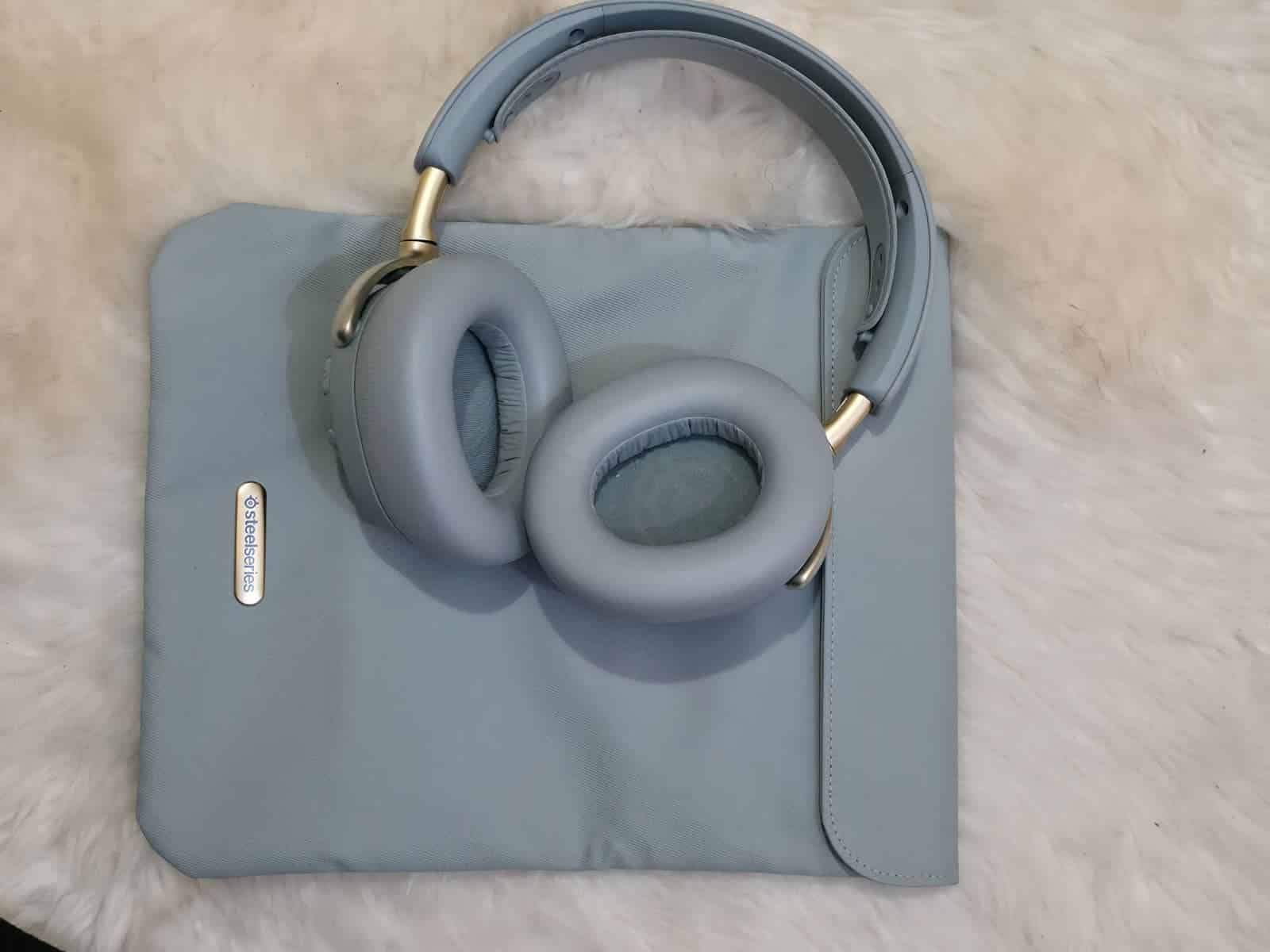
The Nova Elite feels expensive in a way that doesn’t rely on spectacle. The materials feel deliberate, the surfaces smooth, the overall construction reassuring without being heavy-handed. There’s no plastic creak, no visual noise, no attempt to shout “gaming” at you from across the room. The design is clean, restrained, and quietly confident. Jacob Wagner’s influence is visible here, and the sage green and gold colourway I’ve been using is genuinely elegant.
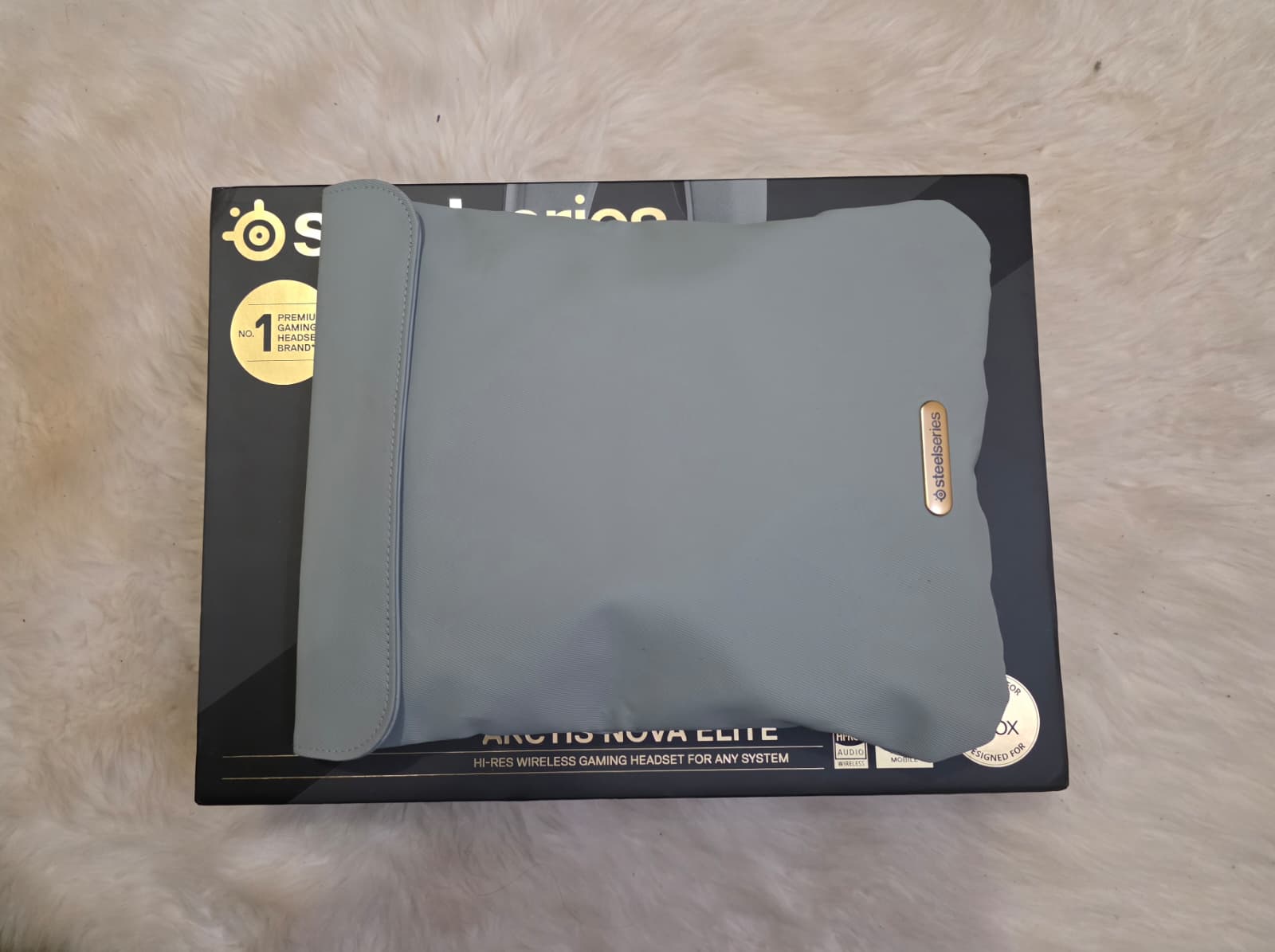
SteelSeries includes a colour-matched dust bag, which fits the understated presentation, even if part of me would have liked a hard case. That said, anyone who travels frequently knows how impractical those can be, so the choice makes sense. The metal frame is wrapped in synthetic leather, the ear cushions are soft and substantial, and most importantly, sized properly. I’ve worn this headset through multiple full 12-hour days, moving between writing, audio editing, and gaming, without once feeling pressure build up or comfort slip away.
It’s also clear that lessons were learned from the Nova Pro generation. The hinges feel sturdier, the joints more refined, and the overall balance noticeably improved. While it’s heavier than something like the Nova Pro Wireless, the weight distribution is good enough that it never becomes something you actively notice.
Gaming meets audiophile sound
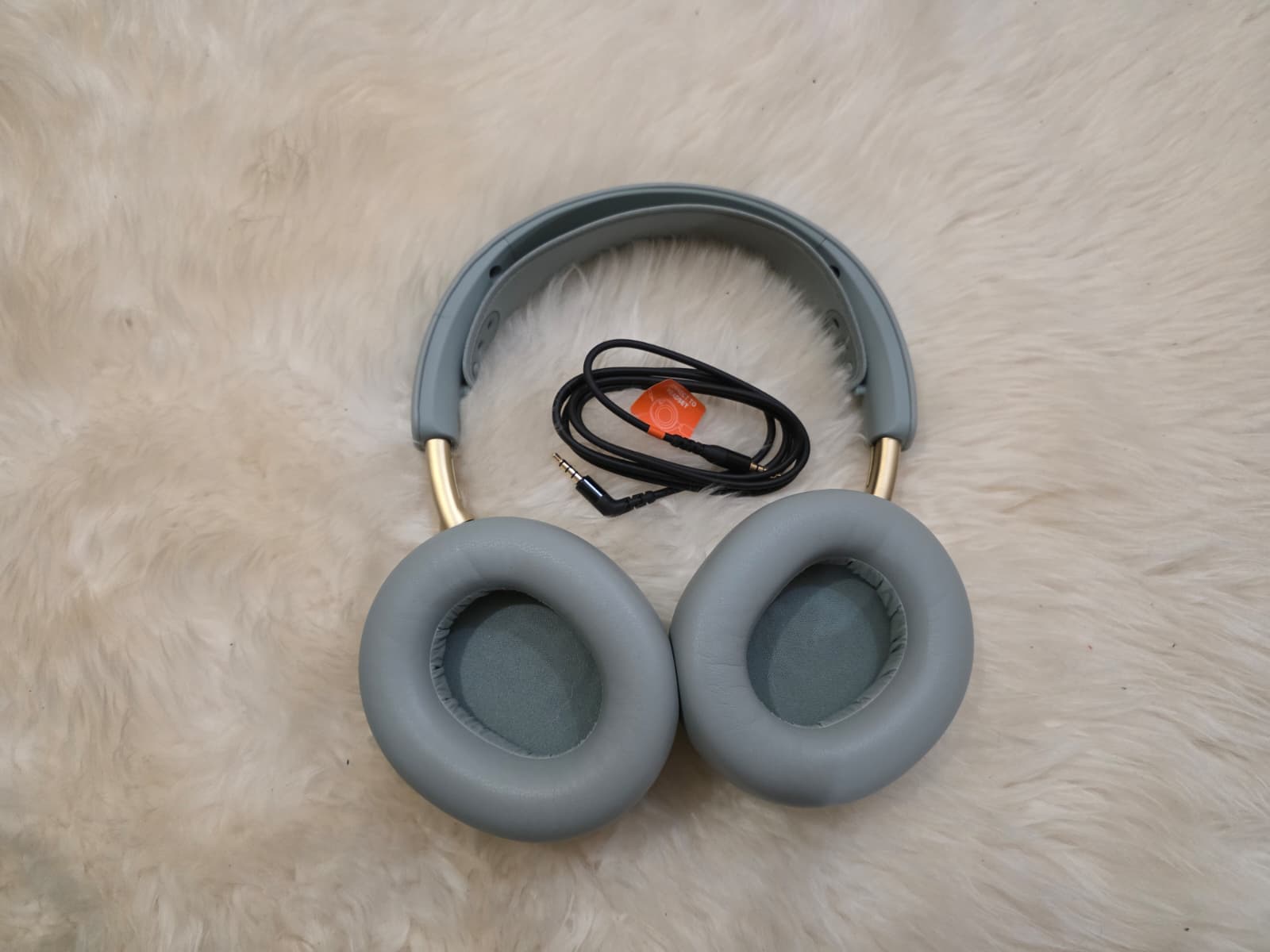
Sound is usually where things fall apart. Gaming headsets tend to prioritise impact over accuracy, while audiophile headphones often sacrifice convenience and microphone quality entirely. The Nova Elite is the first headset I’ve used that genuinely bridges that gap without leaning too far in either direction.
The carbon fibre drivers deliver a sound signature that feels controlled and detailed. Bass has presence without overwhelming the mix, highs retain clarity without becoming harsh, and the overall tuning feels honest. Out of the box, the upper frequencies can come across a little sharp depending on your source material, but that’s easily addressed through Sonar. Once dialled in, the result is cleaner and more balanced than most setups I’ve used.
Technically, the headset supports 2.4 GHz wireless with high-resolution audio at 96 kHz and 24-bit. Bluetooth comes via version 5.3 with LE Audio support, including SBC, LC3, and LC3+. LC3+ is still relatively rare, but when supported, the improvement over standard Bluetooth codecs is noticeable.
The trade-off is range. Compared to something like the Nova 5, which happily stayed connected well beyond even just my flat, the Nova Elite doesn’t stretch quite as far. In practice, that hasn’t affected me at all. I don’t roam far, and within a typical room-sized radius, the connection has been completely stable.
Active noise cancellation that can compete with the best
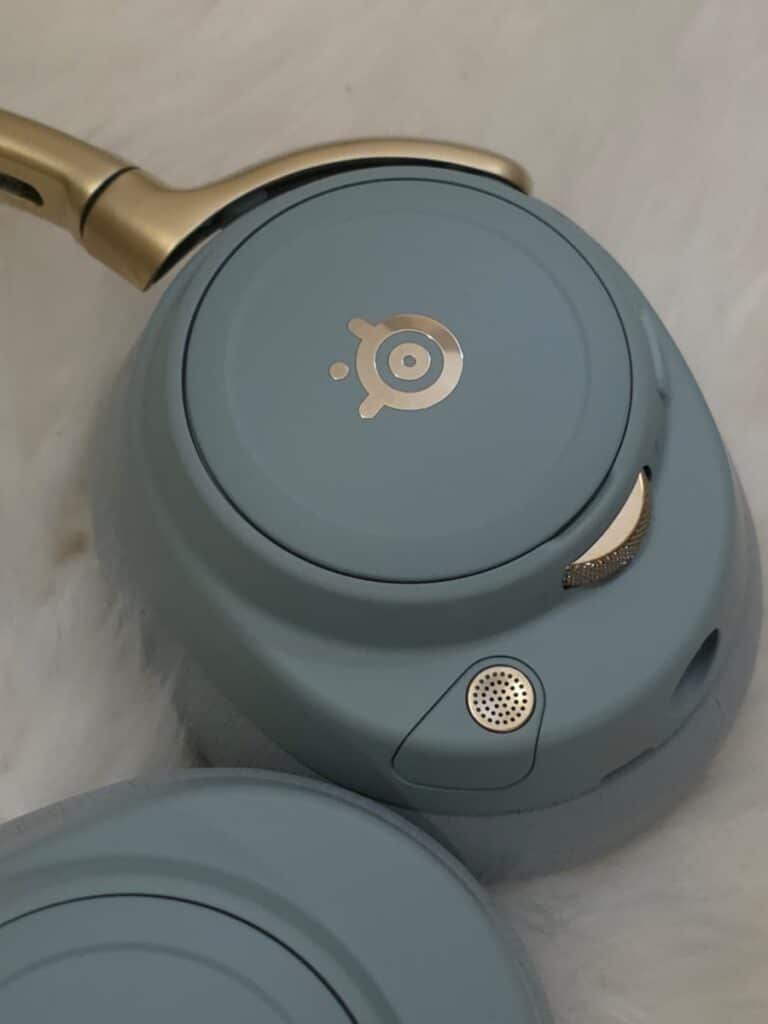

What stood out more than anything was just how quiet things became once I enabled active noise cancelling. The outside world doesn’t disappear entirely, but it fades into a background hum that’s easy to forget. Open windows, street noise, keyboard clicks, all lose their sharpness.
SteelSeries references independent testing that suggests stronger noise reduction than other gaming headsets, and based on daily use, that claim feels plausible. This isn’t a token ANC feature. It’s genuinely competitive with dedicated noise-cancelling headphones, which is still surprisingly rare in this category.
Transparency mode is just as important here. Instead of simply piping sound back in, it preserves enough spatial awareness that conversations still feel natural. Switching between ANC and transparency meaningfully changes how you experience your environment, and I ended up using both far more than expected.
The GameHub: Heart of the headset
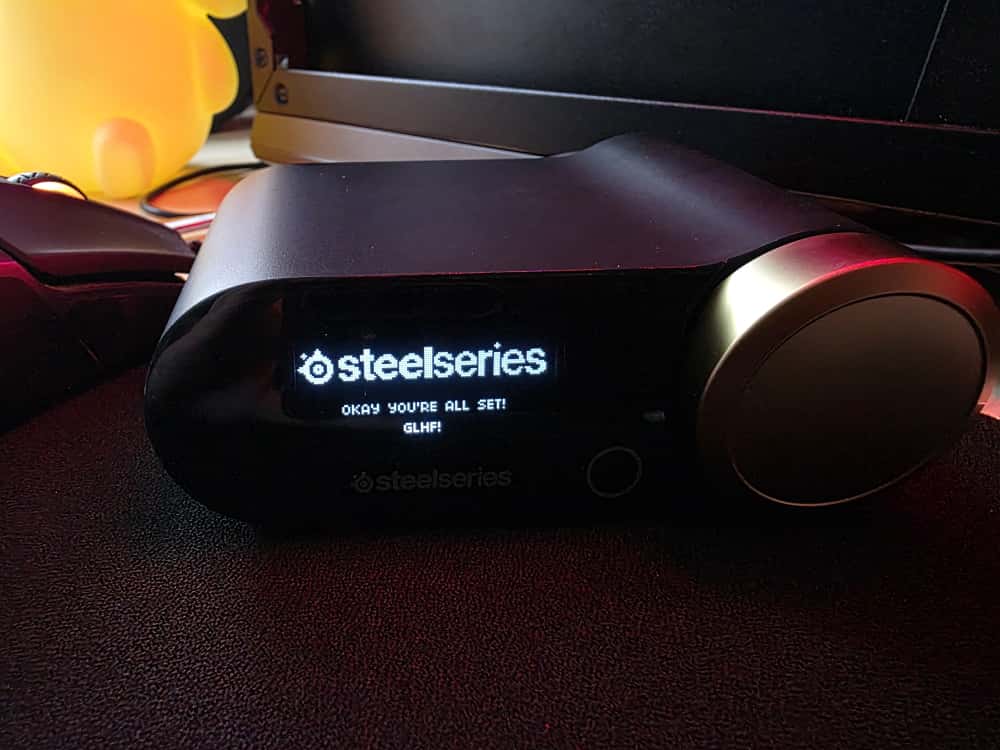
I usually dislike docks. They tend to feel like unnecessary desk clutter, tolerated rather than appreciated. The GameHub completely changed that perception.
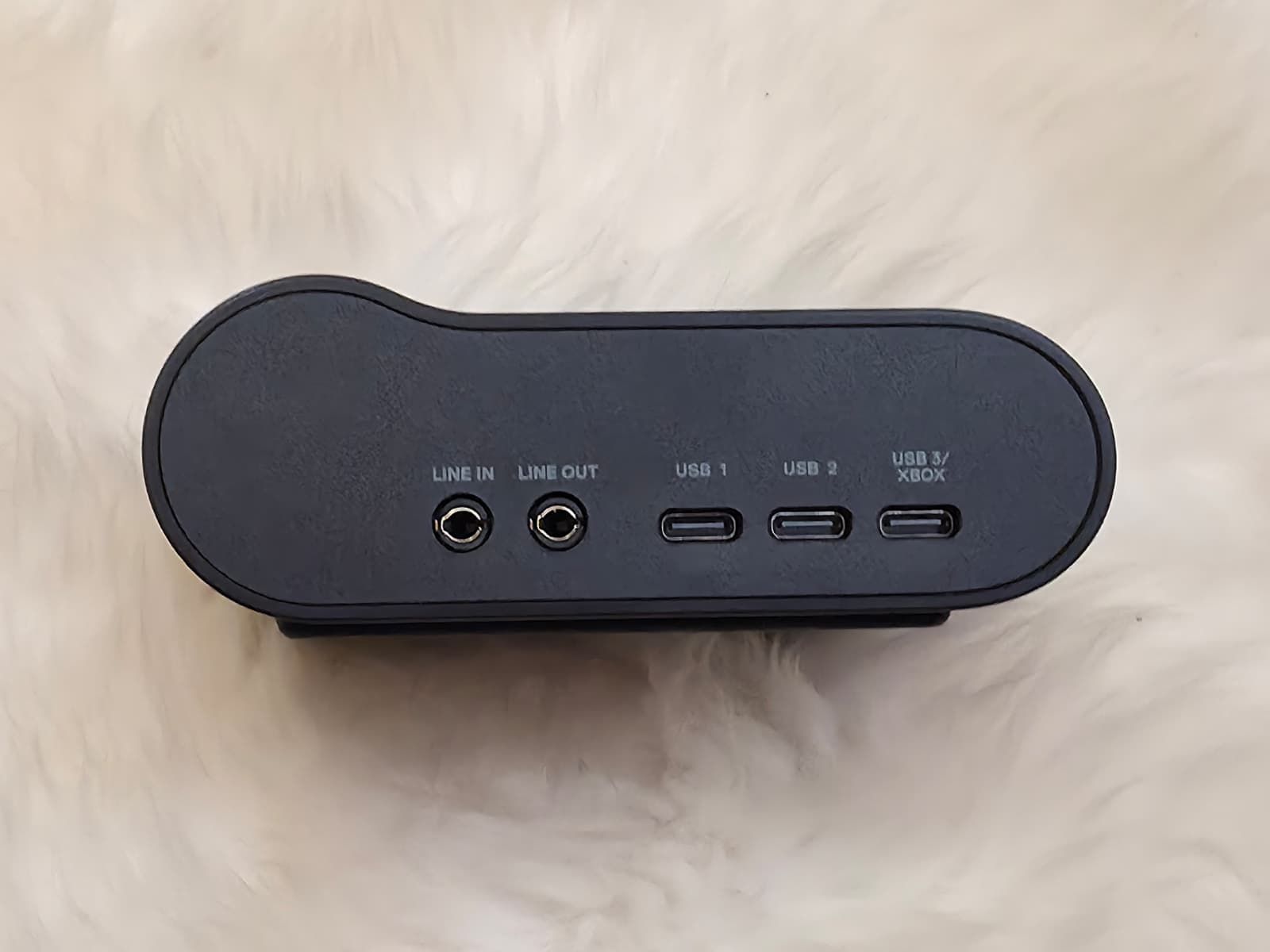
This is where the Nova Elite really differentiates itself. It’s not just a headset, it’s a central audio system. Multiple devices can stay connected at once, far beyond the usual Bluetooth-plus-wireless setup. In practical terms, that means PC, PlayStation, Xbox via USB-C, a phone over Bluetooth, and even an additional device through the 3.5 mm line-in, all feeding into one place. Three USB-C ports, line-in, and line-out make the setup remarkably flexible.
Crucially, the old platform split is gone. There’s no longer a PlayStation version versus an Xbox version. One of the USB-C ports is specifically designed for Xbox compatibility, and that’s the end of that problem.
The OLED display is small but clear, the gold volume dial smooth and precise, and the menus easy to navigate. It’s one of the few times I’ve found myself interacting with a headset hub without any sense of friction. OLED burn-in is a long-term consideration, especially for heavy users, but it’s a known trade-off rather than a flaw unique to this device.
Everyday life has never been this easy
On the daily is where the Nova Elite quietly excels. I use multiple systems most days, and switching between them never felt like a chore. PC, PlayStation, Switch, phone, everything connects quickly and stays connected. The fact that the headset comes pre-paired with the GameHub out of the box is a small detail, but it sets the tone.
Bluetooth multipoint works reliably. The 2.4 GHz connection handles gaming without hiccups. An AUX option is there for emergencies, and all the necessary cables are included. I’ve taken calls mid-match, paused music, and dropped straight back into a game without breaking flow.
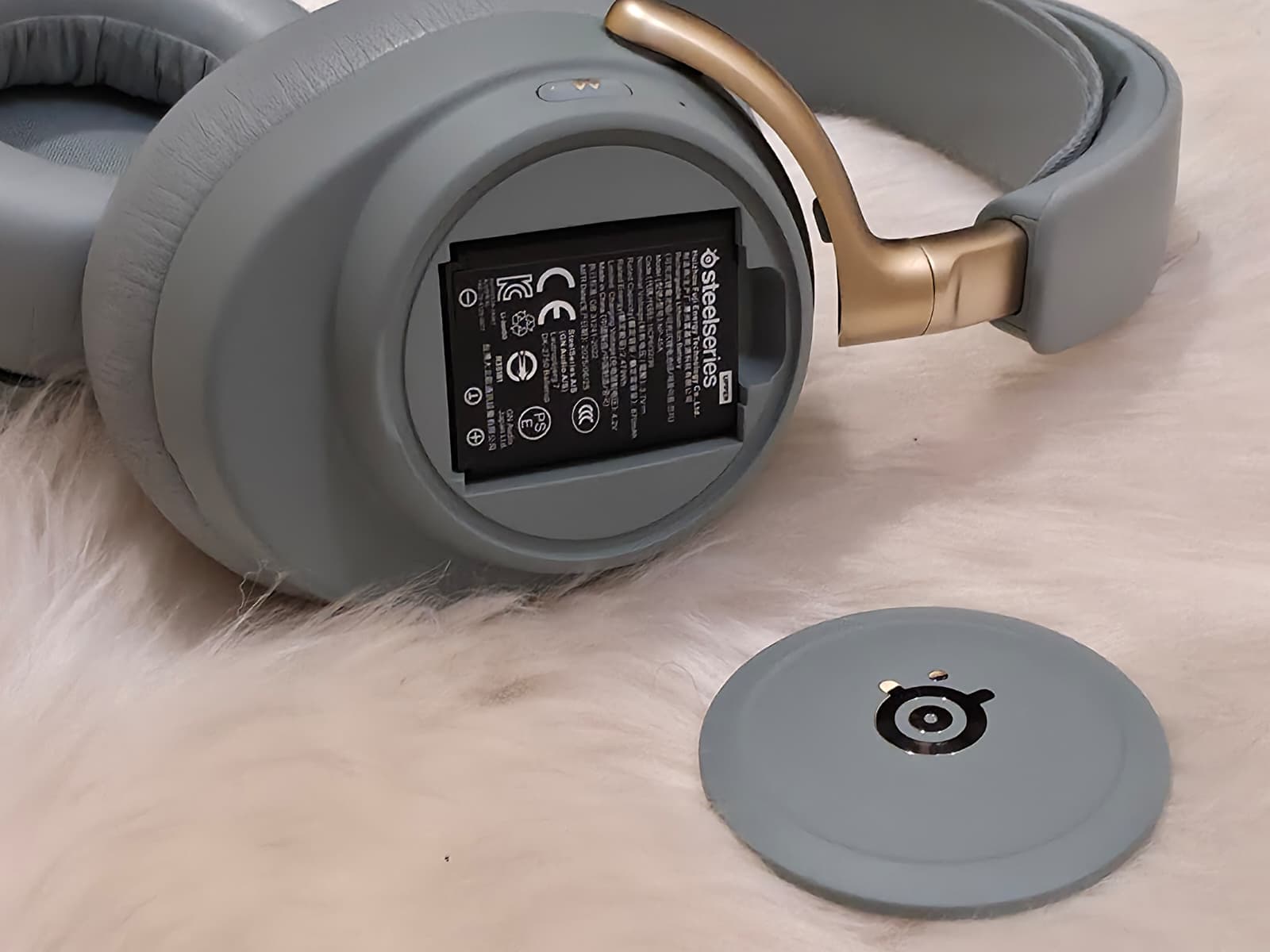
The quality-of-life features add up quickly. Hot-swappable batteries with long runtimes, easy charging through the hub or directly via USB-C, magnetic covers, fast charging. It feels like a product designed by people who actually live with their gear instead of testing it in isolation.
“Can you hear me?” Is long gone
Given how strong the rest of the package is, I had fairly high expectations for the microphone. The reality is solid rather than spectacular. It’s clear, low-noise, and among the better headset microphones I’ve used so far. It won’t replace a full studio setup, and streamers with dedicated XLR chains won’t be switching, but for calls, interviews and team chats, it’s more than adequate.
What impressed me more than raw quality is how flexible the setup is. Routing an external microphone through the GameHub and monitoring it with zero latency is a genuinely useful feature, especially for streamers or podcasters. It shows a level of consideration that goes beyond basics.
You can also switch between the retractable boom mic and an internal microphone for on-the-go use. The internal option isn’t quite as strong, but it’s perfectly usable. AI noise cancellation helps keep voices clear even in less-than-ideal environments, and while aggressive settings introduce some processing artefacts, it’s a minor trade-off. Sidetone is adjustable and easy to tune to preference.
Pricing: The elephant in the room
There’s no avoiding it. This is an expensive headset, and in a world where prices keep climbing, that matters. If you’re looking for an option at a lower price point, you may want to consider the Razer BlackShark V3 Pro.
The Nova Elite isn’t trying to be accessible or entry-level. It’s aimed at people who care about sound, who move between platforms, who work, play, and maybe create in the same space. If that sounds like you, the price starts to feel more reasonable, especially when you consider how many compromises it replaces with a single setup.
I’ve rarely used a device that made me feel like I wasn’t giving something up. Used as both a headset and everyday headphones, the value proposition shifts noticeably. And the restrained design means you don’t feel like you’re wearing a billboard for a gaming brand.
Conclusion
I’ve cared about music for as long as I can remember, long before gaming hardware became part of my professional life. I’ve chased good sound across formats, devices, and setups, and despite all of that, I’ve never quite found one piece of gear that covered everything I needed.
The SteelSeries Arctis Nova Elite is the first headset that genuinely does. It sounds excellent, it looks good, it works with everything I own, and most importantly, it stays out of my way. No constant tweaking, no half-solutions, no unnecessary friction. Just sound, exactly how I want it.
This doesn’t feel like a small step forward. It feels like a statement. You can care about gaming and still care about real audio quality. And if this is where gaming headsets are headed, I’m happy to be here.
FAQs
Is the SteelSeries Arctis Nova Elite worth it if I already own a Nova Pro Wireless?
That depends on what you value. If you’re happy with the Nova Pro Wireless and mainly use it on a single platform, the jump probably isn’t necessary.
Can the Arctis Nova Elite replace both a gaming headset and everyday headphones?
In my experience, yes, and that’s actually one of its biggest strengths. The sound tuning is balanced enough for music, the ANC is strong enough for everyday use, and the design doesn’t scream “gaming” in public.
How good is the microphone compared to a standalone mic?
It won’t replace a dedicated studio microphone, but it’s not trying to. What it does offer is a level of clarity and noise control that’s genuinely above average for a headset mic.
Does the multi-device setup actually work in everyday use?
Yes, and that’s where the Nova Elite quietly shines. Keeping multiple devices connected at once doesn’t feel like a gimmick here; it feels like the default way the headset wants to be used.
The post SteelSeries Arctis Nova Elite review: The headset I’ve been waiting for appeared first on Esports Insider.