TL;DR

- In 2025, there were two major patches, Wandering Waters and Spring Forward, that shook up the map and heroes
- The expansive map favours heroes who can farm efficiently and move fast
- TI14 showcased the power of Helm of the Dominator and exposed underrated heroes that have become meta staples
- While 2025 is a slower year for updates, players still found ways to innovate
Dota 2’s metagame in 2025 was a year of big experimentation and fine-tuning those changes. Early in the year, Valve pushed two numbered patches, or major updates that fundamentally changed the game. Afterwards, patches and updates were slow and primarily focused on balancing outliers.
Despite that, the community and pros were still able to innovate and shake up the meta, proving that Dota 2’s depth rewards creativity and adaptation. This is a recap of five of the major meta shifts that defined 2025, serving as a time capsule of how the players shape the game.
Wandering Waters update expanded the map
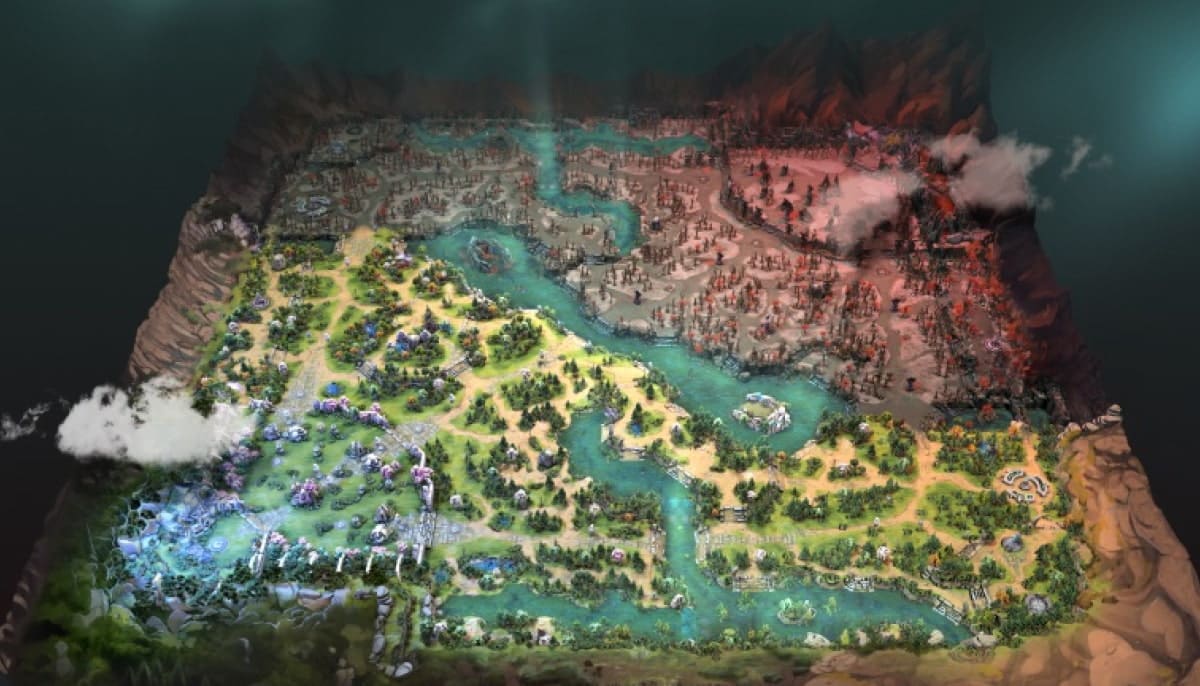
In February 2025, Valve dropped one of the biggest updates in Dota 2’s history. The Wandering Waters update, or Patch 7.38, focused on expanding the terrain, added more neutral camps, relocated objectives, and changed how players earn Neutral items.
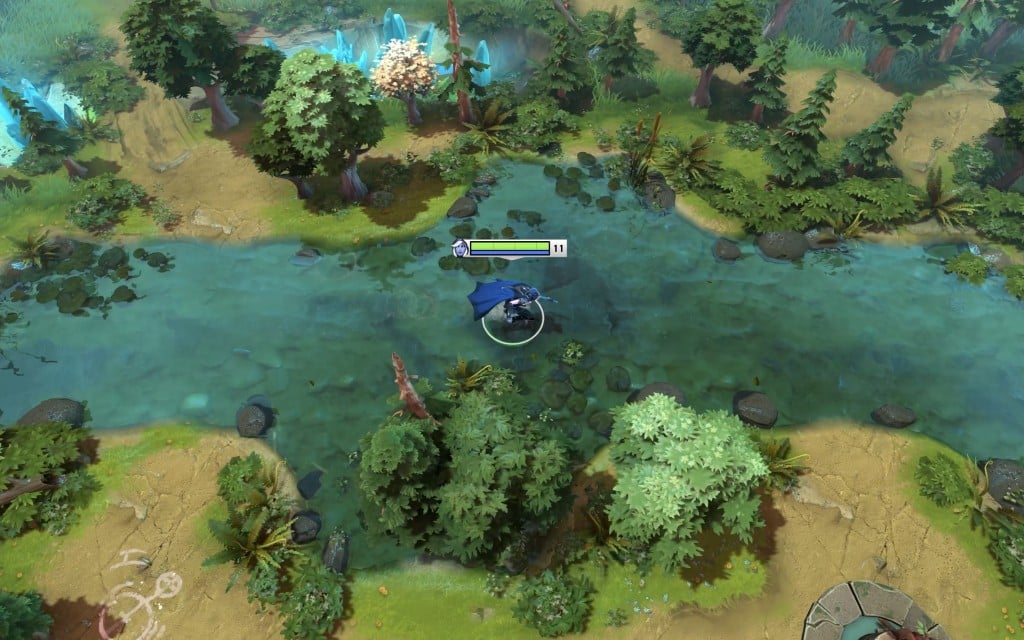
This is the patch where Valve flooded the map with additional waterways and expanded the map’s edges. With more camps and areas to find farm, it has become much harder to completely close out games even with an advantage, making each match longer. Heroes with innate mobility and faster clear speeds, such as Queen of Pain, thrive in this extra space.
Hitting the jungle fast and early was also beneficial for the whole team because of the new system to earn Neutral items. Neutral items were now earned through earning Madstones, currency earned by defeating Neutral creeps, which players can use to craft items of their choosing.
Before this change, Neutral items simply dropped from camps, and teams had to fight over which one they wanted. Additionally, you could also choose an Enchantment to slap for bonus stats. Some of these Neutral items were huge power spikes, and it’s a problem that persisted throughout the year.
Farming became safer, but objectives became more contested
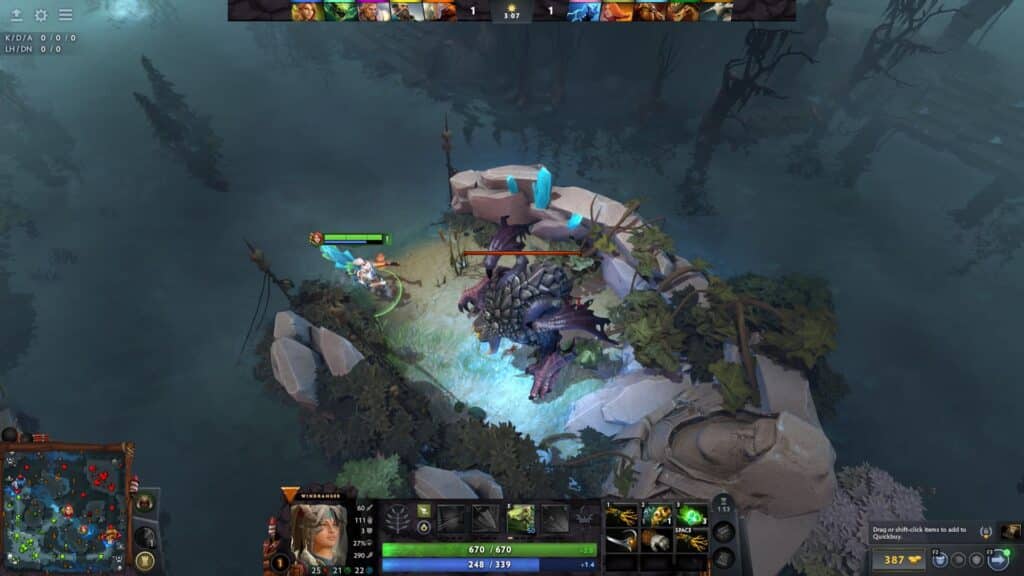
Another great change in this patch was moving Roshan back to the middle of the map and letting him transfer from the top to the bottom side based on the day cycle. Finally, it’s much easier to contest fights in Roshan, compared to traversing all the way to the corners of the map just to get there.
Other minor objectives were also changed to give both teams the chance to contest them, such as the Lotus Pool and Shrines of Wisdom. However, the Tormentor, now located on the corner of the map, remained mostly untouched outside of the pro scene.
Lastly, for heroes, Dragon Knight and Jakiro received the biggest glow-up, owing to their buffs and reworked Facets. Magnus, Lifestealer, Invoker, Tiny, Tidehunter, and Abaddon also saw a great boost to their pick and win rates.
Immortal Draft changes shake up the pro scene
Another significant change primarily felt by top players and teams was the restriction on viewing the match history of Immortal players (with a MMR of 8500 or higher) in March 2025. This meant that external websites or stat trackers couldn’t easily collect data and trends of the top players.
Additionally, pro players were required to register their accounts, which prevented them from using alt accounts to experiment with new heroes. This change was polarising for Dota 2 esports, with players, coaches, and analysts vocally against or in favour of it.
In summary, those who were positive about the change, such as PARIVISION’s former coach, Astini, were all in favour of it because it encourages creativity and allows players to find their own style, rather than being held to numbers and data. Figures who were against it, such as Saberlight and analyst Sheepsticked, believed that the ordinary Dota 2 player suffered the most, as it prevented them from learning and analysing pro gameplay.
Right now, the long-term impact of these API restrictions continues to shape the pro meta. We’ve seen more and more players bringing out pocket picks during tournaments, like a pos 1 Tinker during TI14 or carry Hoodwink, but ordinary players looking to watch how the pros move in pubs need to rely on streamers.
Spring Forward cleans up the game
At the end of May 2025, Valve released another numbered patch. The Spring Forward update (patch 7.39) introduced extensive hero rebalances and reworks, new neutral items, and quality-of-life improvements. This patch also served as the baseline for the rest of the year, with subsequent patches focusing on refining this version.
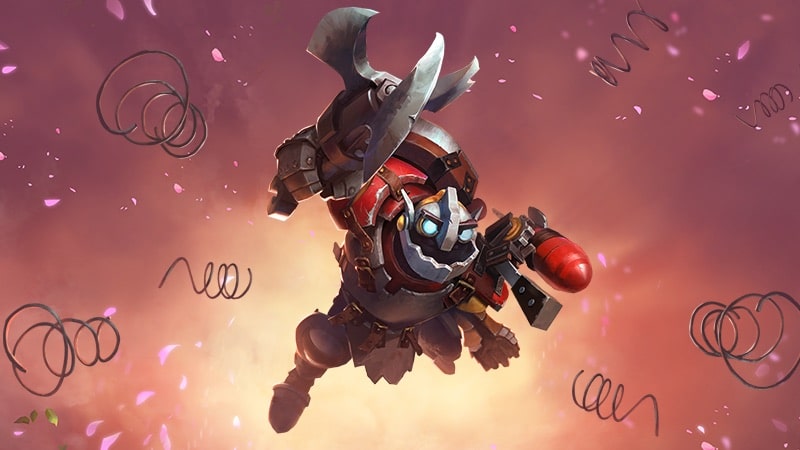
Patch 7.39 refreshed the Neutral item pool and cycled in some items that would prove to become problematic, with Chipped Vest and Poor Man’s Shield even causing the resurgence of Strength heroes like Axe, Legion Commander, and Centaur Warrunner. One nasty combo that top-tier players were running with those Neutral items was Queen of Pain with her buffed Bondage facet, enabling her to dive into the enemy team unscathed.
Sister’s Shroud, a tier 1 Neutral item that grants evasion while under half health, was so gamebreakingly good that everyone was taking it, as seen during Dota 2’s run in EWC. Outworld Staff was a perfect counter to heroes like Juggernaut, Divine Regalia was a free Divine Rapier, and Helm of the Undying gave everyone free time to attack after dying.
Many of the heroes in Dota 2’s meta in 2025 were born from this patch. Batrider finally became a good hero again because of his reworked facets, Nature’s Prophet became a problematic all-around meta staple because of the rework to Soothing Saplings, and Shadow Shaman cemented himself as one of the most picked heroes of the year.
Despite getting toned down repeatedly, Templar Assassin remains one of the strongest carry heroes. This patch also heavily nerfed their newest hero, Kez, with an egregious batch of nerfs for someone with such a low pick rate and nearly 40% win rate.
The International 2025 diversity showcases months of balance
The International 2025 was played on patch 7.39d, which meant that there were three balance patches before the start of Dota 2’s annual flagship tournament. The single most defining item of the tournament was hard carries buying Helm of the Dominator, popularised by Team Spirit’s Yatoro in the FISSURE Universe: Episode 6 tournament.
The item accelerated any hero’s farm, perfect for carries with slow clear like Anti-Mage and Faceless Void, as it enabled them to come online much faster. However, as the tournament progressed, teams began showcasing different strats with the item.
There was an enhanced zoo comp with Lycan and Beastmaster, and even all cores running the item. What trickled down to pubs was that some heroes were more effective with a dominated creep, namely Snapfire, Dark Seer, and especially core Marci.
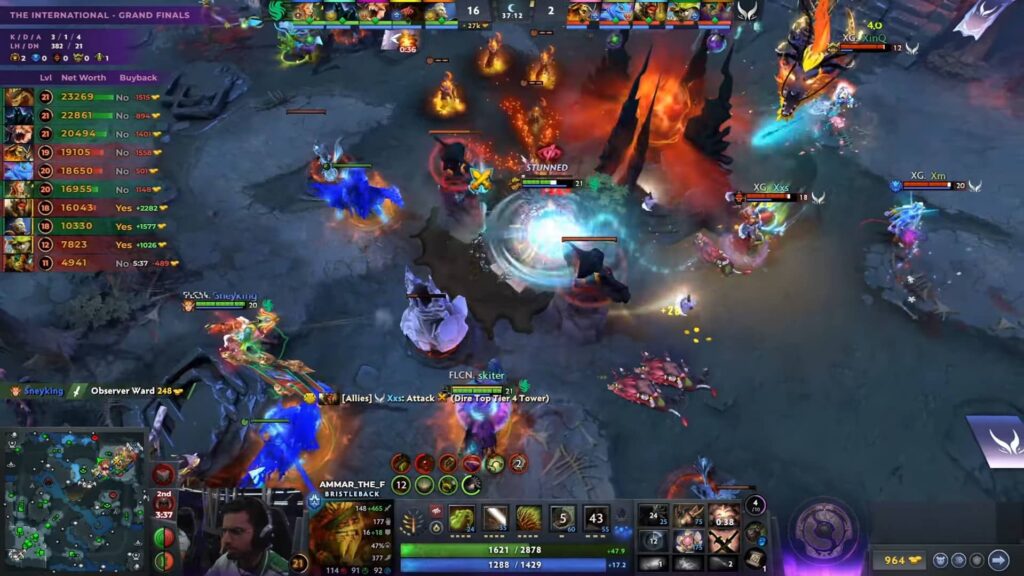
The most ironic part and perhaps emblematic of Dota 2’s diversity is that the winners, Team Falcons, refused to use the item and stuck to their comfort heroes, ignoring the established meta. Falcons would find every opportunity to draft heroes, their comfort heroes like Hoodwink, Sand King, Earthshaker, Bristleback, and Naga Siren, boosting the popularity of these picks in pubs.
Earthshaker had a perfect storm to become the most popular pick in Dota 2, even dethroning Pudge himself. The hero had the perfect storm of TI exposure, fun builds viable in all lanes, and his arcana coming back in a treasure set right after TI14.
Dota 2’s biggest tournament gave much-needed exposure to underrated heroes, which have found their way into the pub meta. Heroes like Disruptor, Snapfire, Pugna, Mars, Sven, and Dawnbreaker became meta staples during the tournament.
Patch 7.39e is one of Dota 2’s most balanced states
Patch 7.39 is Valve’s response to the trends that came from TI14. Helm of the Dominator was rightfully nerfed, some outlier Neutral creep buffs were balanced, and prevalent heroes took a dip. Additionally, Kez was finally added to Captain’s Mode in early October, and there are already pros putting him to good use in tournaments.
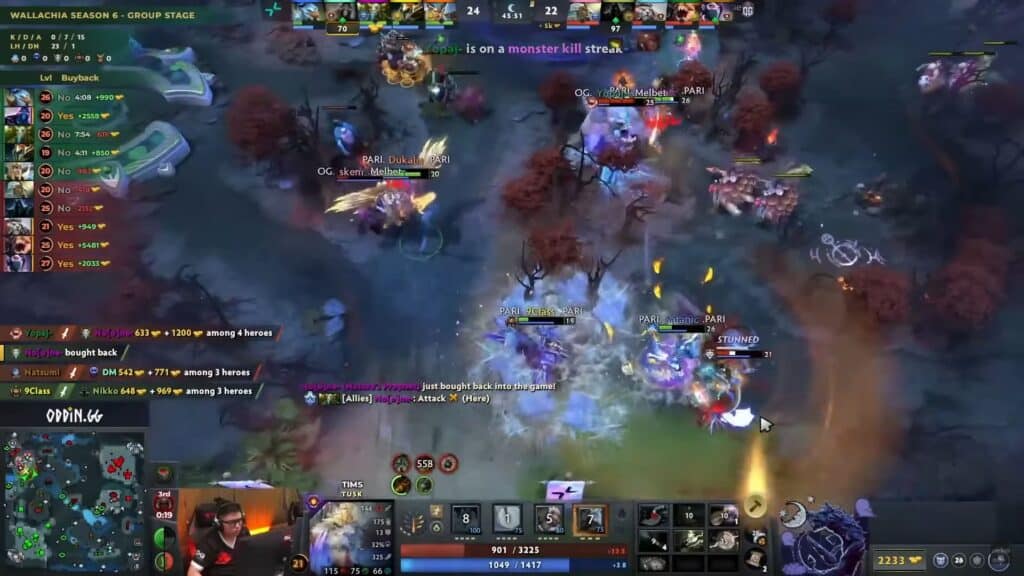
Despite the lack of substantial changes from the patch, players still find ways to innovate new strategies. Particularly, there is one creative individual whose unconventional picks still influence pros and pubs, even after retirement as a professional.
Two-time TI winner Topson has showcased picks like Caustic Bath Viper and right-click Venomancer, which have made their way into the meta. Aside from that, the meta is stale but balanced, and almost every pick is viable in this patch.
Heroes that you’ve seen since the start of the patch still make up the meta. The ongoing Dota 2 x Monster Hunter collab encourages players to try new heroes, but there isn’t anything on the horizon to look forward to, especially since Valve didn’t announce any new heroes or upcoming updates during TI14.
Patch 7.40 drops a new hero and upends 2025’s meta
Two weeks before the year was about to end, Valve dropped patch 7.40, a massive patch that introduces several hero reworks, item buffs and nerfs, and cycling out problematic Neutral artefacts for new ones. The headline of the patch is the new strength support hero, Largo, whose ultimate has him playing tunes to buff and empower his team.
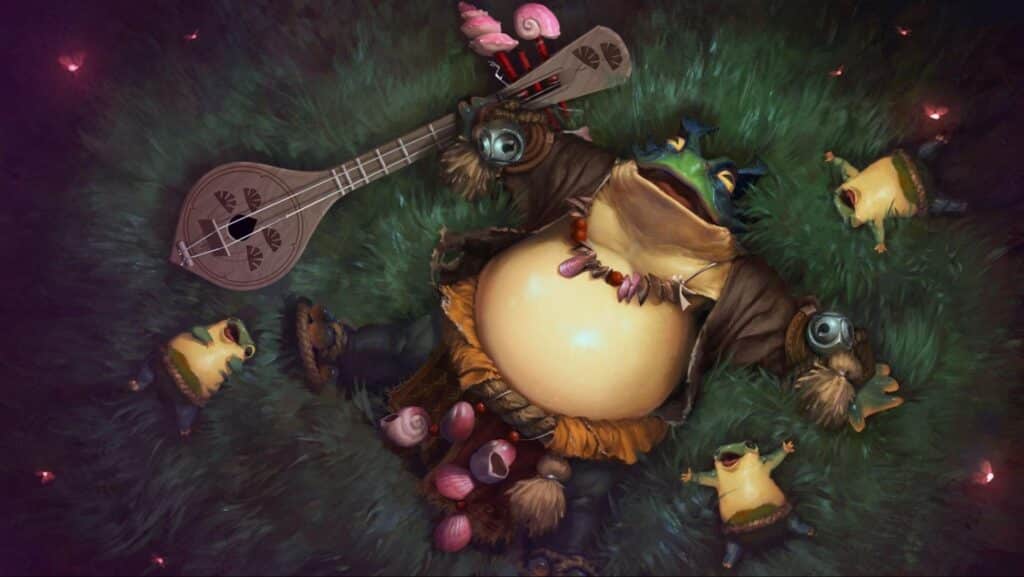
Largo’s niche is that he synergises extremely well with magic damage by using Croak of Genius, which reduces mana cost and reverberates a percentage of their damage as damage over time. Expect heroes like Leshrac and Skywrath Mage to thrive with this new addition.
The second meaty part of the patch is the major and minor reworks to several heroes. Lone Druid, Treant Protector, Spectre, Clinkz, Brewmaster, and Slark received a weighty restructuring of their abilities and innates, while still keeping true to their core identity. The initial impression is not so hot with their loyal players, but time will tell whether these reworks were for the better or worse.
Earth Spirit, Kez, Phantom Lancer, and Riki’s kits were also subject to changes to a few parts of their kit that could change the way they’re played or built. Patch 7.40 also tunes most of the roster with a balance pass.
Among the most significant item changes in Dota 2 patch 7.40 is that Diffusal Blade and Disperser’s Manabreak portion are no longer applied by illusions. If Phantom Lancer’s rework doesn’t hold up, then he’s dead in the water, and this also means that heroes like Medusa and Bristleback can run rampant without threats to their mana.
Holy Locket’s buffs to its max charges and new heal amplification effect mean that healing supports could come back into the mix. Now’s the perfect time to bring supports like Treant, Largo, Dazzle, and Omniknight to beef up the team.
Finally, some problematic Neutral artefacts like Sister’s Shroud and Helm of the Undying are cycled out. But the new artefacts are no joke, too, and it’s only a matter of time before the community finds a way to maximise their potential.
Conclusion
Dota 2 has always thrived on unpredictability, and 2025 was a masterclass in how players, both casuals and pros, can optimise heroes in unexpected directions. Even when the patch 7.39 went on for too long, new ideas flourished, and the community found power in overlooked heroes and off-meta builds.
With patch 7.40 bringing a new hero and major changes, it’s time to relearn the game all over again.
FAQs
What’s been the biggest change in the Dota 2 meta this year?
The biggest change in Dota 2 in 2025 was the Wandering Waters update, which reworked the map, objectives, and Neutrals.
Who is the best hero in the current Dota 2 meta?
The best heroes in the current Dota 2 meta of patch 7.39e are Juggernaut and Nature’s Prophet. Both heroes have a high pick and win rate across all brackets and are strong in their state.
Which position has the best meta heroes right now?
The offlane, or position 3, has the widest variety of heroes who are considered meta in the current patch. Heroes like Axe, Legion Commander, Slardar, Earthshaker, Abaddon, Venomancer, and Vengeful Spirit have high win rates.
The post Dota 2 meta timeline: Biggest changes in 2025 appeared first on Esports Insider.